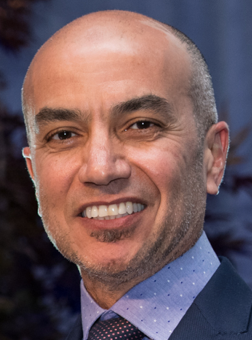
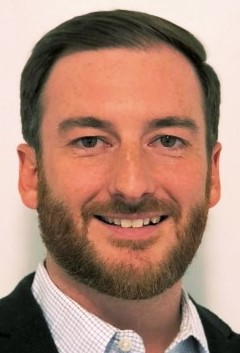
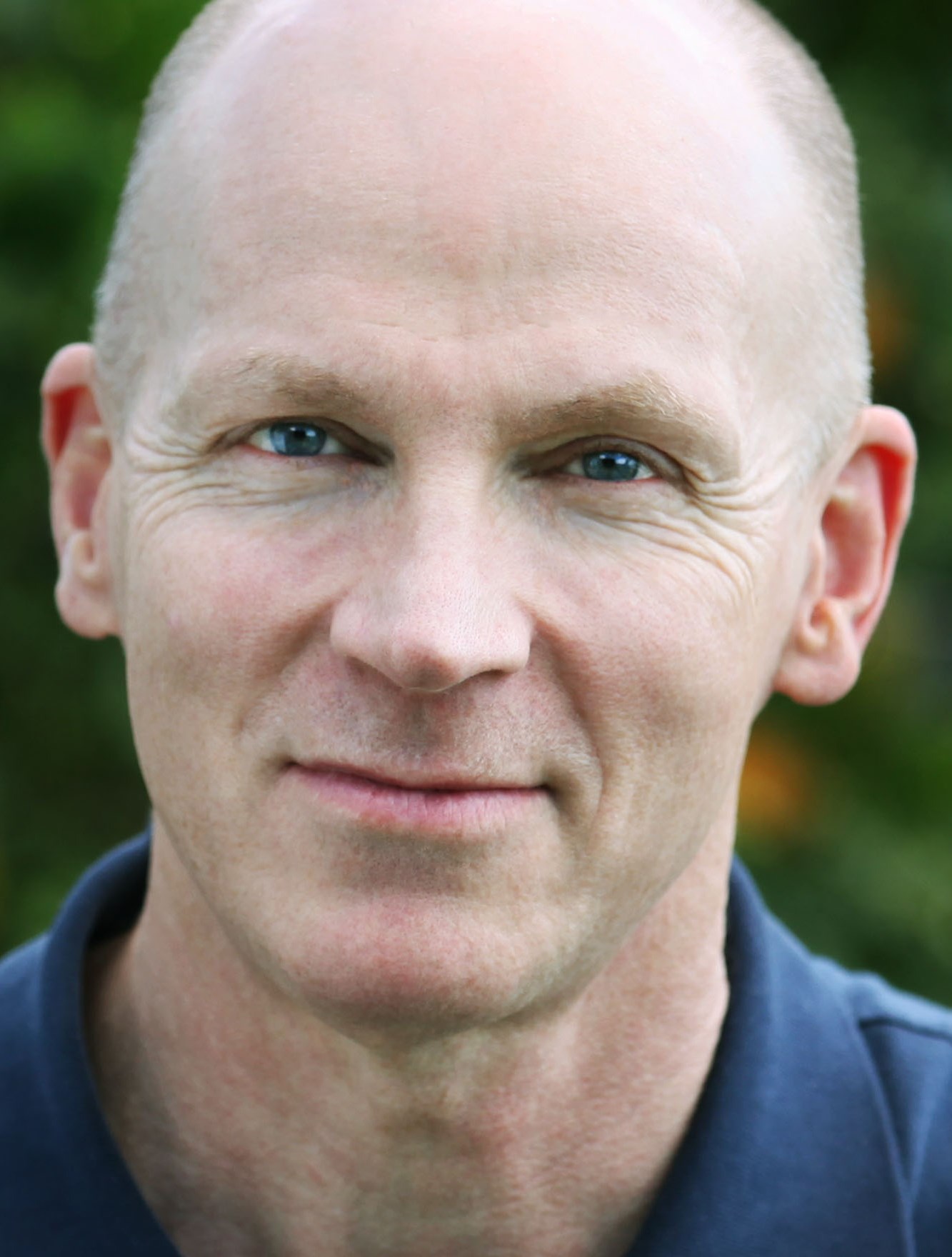
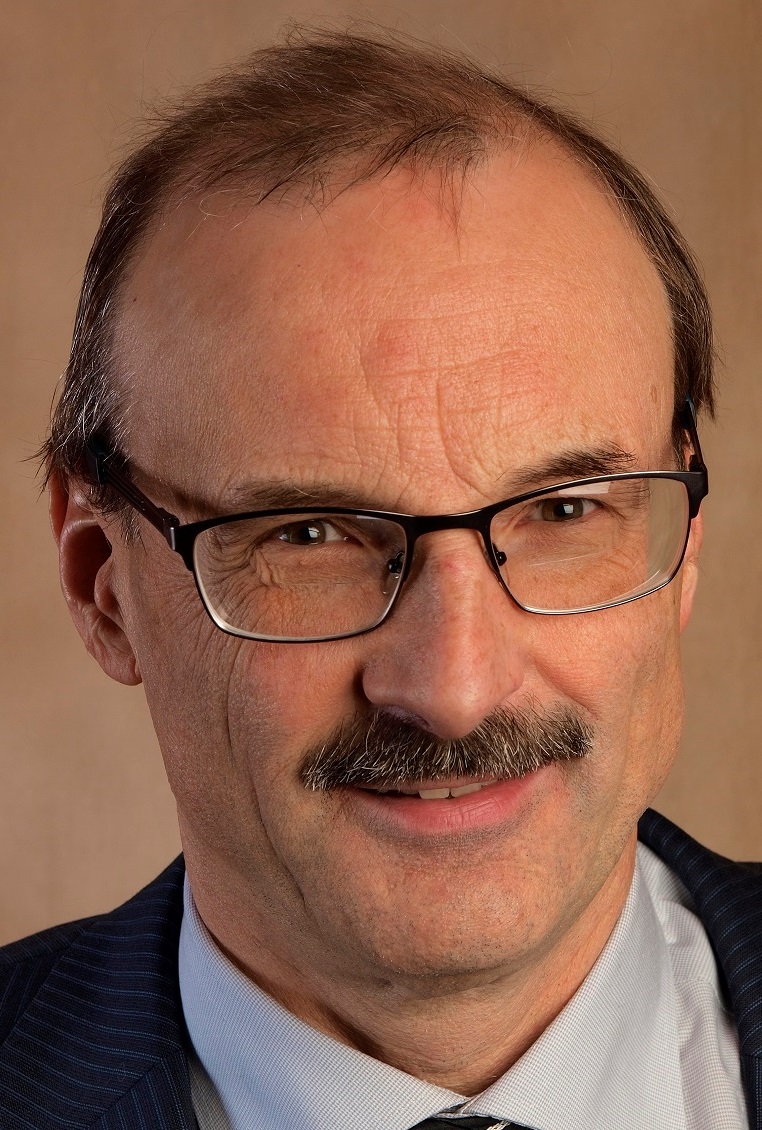
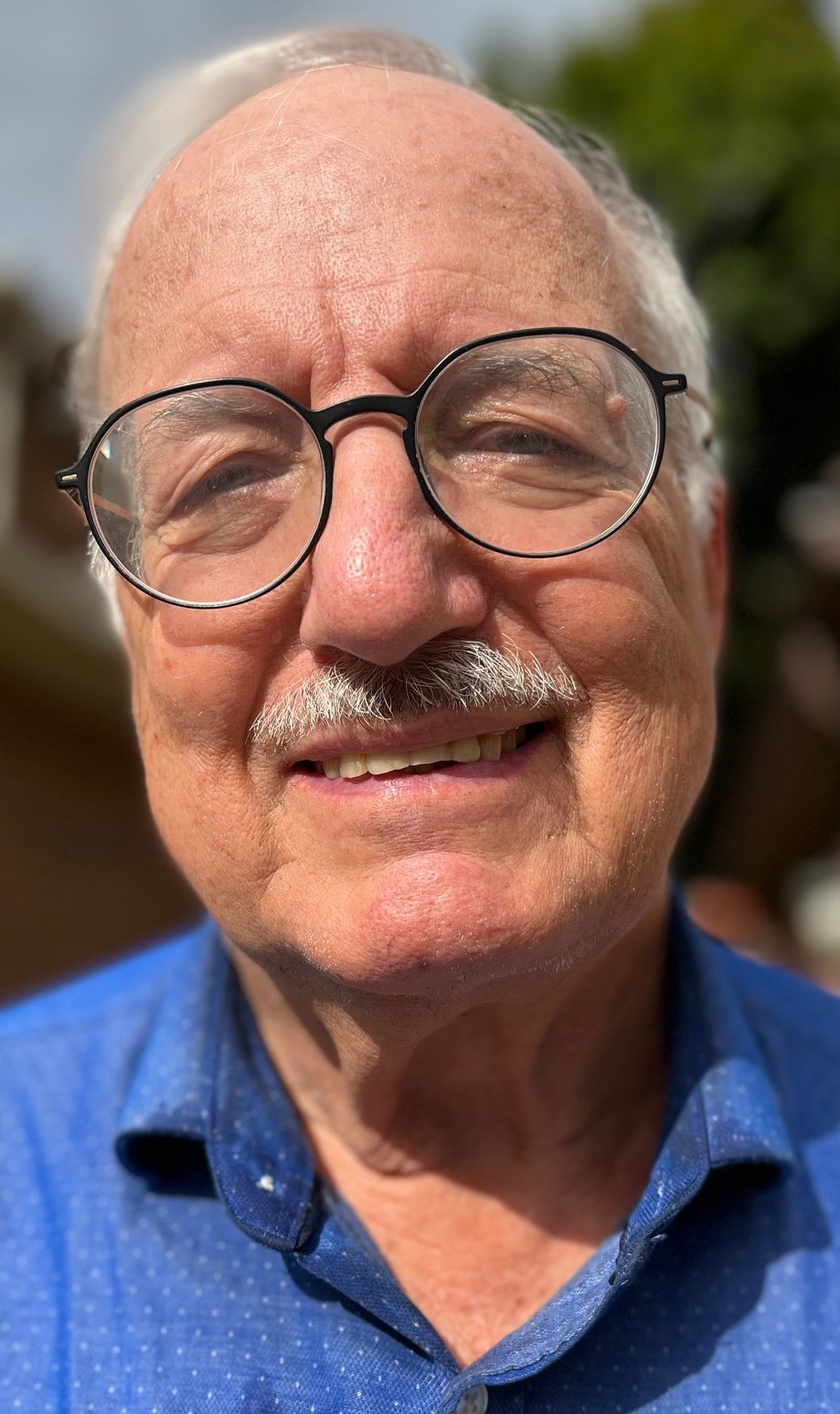
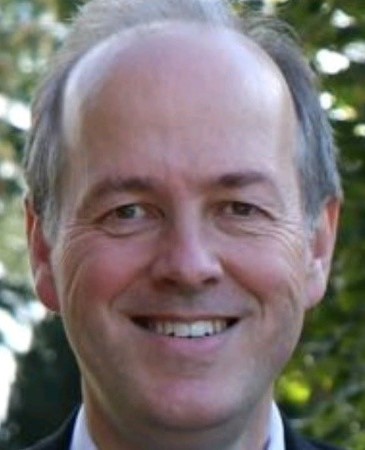
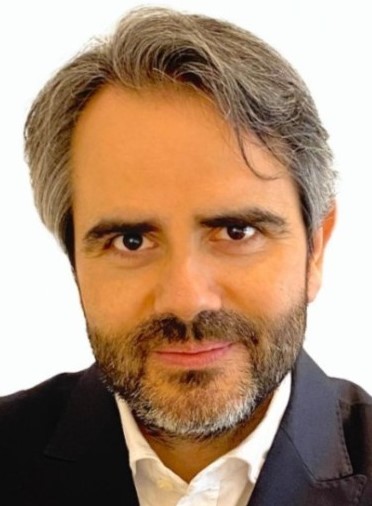
University of Toronto professor Baher Abdulhai has 35 years of experience in transportation systems engineering and Intelligent Transportation Systems (ITS). His areas of expertise include modelling and simulation of large-scale dynamic transportation networks, Artificial Intelligence (AI) based street and freeway traffic control, emergency evacuation optimization, dynamic congestion pricing, smart cities under automated and transformative transportation systems. Baher is the founder and Director of the Toronto ITS Centre and the founder and co-Director of i-City Centre for Automated and Transformative Transportation Systems (iCity-CATTS). He has received several awards including IEEE Outstanding Service Award, Teaching Excellence award, and research awards from Canada Foundation for Innovation, Ontario Research Fund, and Ontario Innovation Trust. In 2014, Baher won the UofT Toronto Inventor of the Year Award and was inducted as a Fellow of the Engineering Institute of Canada (EIC) in 2015. In 2018, he won the prestigious CSCE Sandford Fleming (Career Achievement) Award for his contribution to transportation in Canada. Baher has been elected Fellow of the Canadian Academy of Engineering in 2020. In 2021, he won the Ontario Professional Engineers Awards Engineering Medal for career Engineering Excellence. He served on the Board of Directors of the Government of Ontario (GO) Transit Authority (2004 to 2006) and was Canada Research Chair in ITS from 2005 to 2010. Baher earned his Ph.D. in engineering from the University of California Irvine.
Baher Abdulhai, University of Toronto
University of Toronto professor Baher Abdulhai has 35 years of experience in transportation systems engineering and Intelligent Transportation Systems (ITS). His areas of expertise include modelling and simulation of large-scale dynamic transportation networks, Artificial Intelligence (AI) based street and freeway traffic control, emergency evacuation optimization, dynamic congestion pricing, smart cities under automated and transformative transportation systems. Baher is the founder and Director of the Toronto ITS Centre and the founder and co-Director of i-City Centre for Automated and Transformative Transportation Systems (iCity-CATTS). He has received several awards including IEEE Outstanding Service Award, Teaching Excellence award, and research awards from Canada Foundation for Innovation, Ontario Research Fund, and Ontario Innovation Trust. In 2014, Baher won the UofT Toronto Inventor of the Year Award and was inducted as a Fellow of the Engineering Institute of Canada (EIC) in 2015. In 2018, he won the prestigious CSCE Sandford Fleming (Career Achievement) Award for his contribution to transportation in Canada. Baher has been elected Fellow of the Canadian Academy of Engineering in 2020. In 2021, he won the Ontario Professional Engineers Awards Engineering Medal for career Engineering Excellence. He served on the Board of Directors of the Government of Ontario (GO) Transit Authority (2004 to 2006) and was Canada Research Chair in ITS from 2005 to 2010. Baher earned his Ph.D. in engineering from the University of California Irvine.
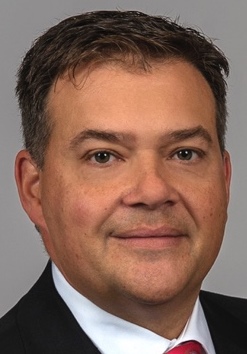
Michael Bernasiewicz, Northface Infrastructure Management
Michael Bernasiewicz provides advisory and consulting services to investors and managers in the area of infrastructure asset management and transactional execution. He is a Special Advisor to One Queen Capital and currently active on the Board of 407 International Inc. as the Chair of the Executive Committee and member of the Audit, Corporate Governance and Compensation, and Health and Safety Committees. Michael previously held the position of Managing Director at Macquarie Capital Funds Canada Ltd. leading investments in both listed and unlisted vehicles. This position was following his roles as Assistant Vice President for Brookfield Financial Real Estate Group and Partner with RBC Capital Partners’ Mezzanine Fund. While at Macquarie, Michael was Head of North American Toll Roads for MIRA, on the Board of Directors of six toll roads (four in Canada and two in the United States), Canada’s first independent transmission company (AltaLink Investment Management Ltd., Alberta), and one of the largest container terminals on the East Coast of Canada (Halterm Container Terminal Ltd., Nova Scotia). Michael is a CFA charterholder and earned a Masters of Business Administration from the University of Ottawa.
Michael Bernasiewicz, Northface Infrastructure Management
Michael Bernasiewicz provides advisory and consulting services to investors and managers in the area of infrastructure asset management and transactional execution. He is a Special Advisor to One Queen Capital and currently active on the Board of 407 International Inc. as the Chair of the Executive Committee and member of the Audit, Corporate Governance and Compensation, and Health and Safety Committees. Michael previously held the position of Managing Director at Macquarie Capital Funds Canada Ltd. leading investments in both listed and unlisted vehicles. This position was following his roles as Assistant Vice President for Brookfield Financial Real Estate Group and Partner with RBC Capital Partners’ Mezzanine Fund. While at Macquarie, Michael was Head of North American Toll Roads for MIRA, on the Board of Directors of six toll roads (four in Canada and two in the United States), Canada’s first independent transmission company (AltaLink Investment Management Ltd., Alberta), and one of the largest container terminals on the East Coast of Canada (Halterm Container Terminal Ltd., Nova Scotia). Michael is a CFA charterholder and earned a Masters of Business Administration from the University of Ottawa.
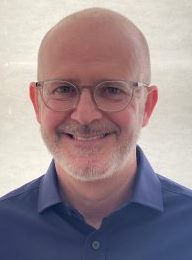
Colin Black, AECOM UK & Ireland
Dr. Colin Black is a transportation planning strategist and policy adviser specialising in TDM, future mobility and decarbonization. He has worked internationally, leading and advising a broad range of innovative transport-related projects. At AECOM he is Director for future mobility strategy and policy working with colleagues across the world. Colin is a passionate advocate of innovation and its ability to help improve decision making to align policy outcomes. He is a recognised leader with a track-record of leading and contributing to influential high-profile research projects. At present, Colin is advising Local Government on the likely impacts of the Lower Thames Crossing, the UK’s largest ever highway scheme. He holds a PhD in Behavioural Dimensions of Sustainable Transport from the University of Portsmouth.
Colin Black, AECOM UK & Ireland
Dr. Colin Black is a transportation planning strategist and policy adviser specialising in TDM, future mobility and decarbonization. He has worked internationally, leading and advising a broad range of innovative transport-related projects. At AECOM he is Director for future mobility strategy and policy working with colleagues across the world. Colin is a passionate advocate of innovation and its ability to help improve decision making to align policy outcomes. He is a recognised leader with a track-record of leading and contributing to influential high-profile research projects. At present, Colin is advising Local Government on the likely impacts of the Lower Thames Crossing, the UK’s largest ever highway scheme. He holds a PhD in Behavioural Dimensions of Sustainable Transport from the University of Portsmouth.
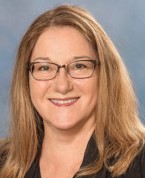
Maureen Bock, Oregon Department of Transportation
Maureen Bock is ODOT’s Chief Innovation Officer, where she oversees Oregon’s Road Usage Charge Program (OReGO). Her passion is developing new programs based on innovative policies and her background in operations. Maureen was formerly the ODOT fuels tax manager, where she began to automate the manual methods of collecting millions of dollars in fuels tax revenue. The system is in place today and enhances compliance and administrative capacity. Maureen left ODOT in 2011 to work with the Oregon Department of Energy, where she redesigned its tax credit programs. She returned to ODOT in 2014 to become the Road Usage Charge Business Implementation Manager. In that role, Maureen used her background in fuels tax and tax administration, as she worked with a team of business and IT professionals, as well as commercial vendors, to design and implement the nation’s first road usage charge system. The system is the first to validate mileage and fuel consumption, and to calculate and collect taxes according to state policies and statutes. Maureen continues to lead the evolution of the OReGO Program, in order to make it a more sustainable, agile and resilient funding mechanism. She has an undergraduate degree in accounting from California State University-Fullerton and her juris doctor from the University of Arkansas.
Maureen Bock, Oregon Department of Transportation
Maureen Bock is ODOT’s Chief Innovation Officer, where she oversees Oregon’s Road Usage Charge Program (OReGO). Her passion is developing new programs based on innovative policies and her background in operations. Maureen was formerly the ODOT fuels tax manager, where she began to automate the manual methods of collecting millions of dollars in fuels tax revenue. The system is in place today and enhances compliance and administrative capacity. Maureen left ODOT in 2011 to work with the Oregon Department of Energy, where she redesigned its tax credit programs. She returned to ODOT in 2014 to become the Road Usage Charge Business Implementation Manager. In that role, Maureen used her background in fuels tax and tax administration, as she worked with a team of business and IT professionals, as well as commercial vendors, to design and implement the nation’s first road usage charge system. The system is the first to validate mileage and fuel consumption, and to calculate and collect taxes according to state policies and statutes. Maureen continues to lead the evolution of the OReGO Program, in order to make it a more sustainable, agile and resilient funding mechanism. She has an undergraduate degree in accounting from California State University-Fullerton and her juris doctor from the University of Arkansas.
Michael Chiu, MSC Consulting
Michael Chiu is the Principal Consultant of MSC Consulting which provides advisory services on client management and transportation planning. He previously held executive positions focusing on business development, client relations and strategic corporate planning. Michael spent 4 decades planning transit and highways, including the QEW, 400, 401, 403; 407 East, 410, 413, 418 and 427. He was the principal author of the current Transportation Association of Canada’s (TAC) Geometric Design Guide for Canadian Roads. He has also conducted several seminars and lectures on geometric design and began teaching transportation planning and engineering at Queen’s University in 2021 – a 4th year course which he created. Michael has been a volunteer bereavement counsellor for over 15 years. He is a ‘connector’ who believes the business of life is human connection. Michael holds a Bachelor of Applied Science in Civil Engineering from Queen’s University.
Michael Chiu, MSC Consulting
Michael Chiu is the Principal Consultant of MSC Consulting which provides advisory services on client management and transportation planning. He previously held executive positions focusing on business development, client relations and strategic corporate planning. Michael spent 4 decades planning transit and highways, including the QEW, 400, 401, 403; 407 East, 410, 413, 418 and 427. He was the principal author of the current Transportation Association of Canada’s (TAC) Geometric Design Guide for Canadian Roads. He has also conducted several seminars and lectures on geometric design and began teaching transportation planning and engineering at Queen’s University in 2021 – a 4th year course which he created. Michael has been a volunteer bereavement counsellor for over 15 years. He is a ‘connector’ who believes the business of life is human connection. Michael holds a Bachelor of Applied Science in Civil Engineering from Queen’s University.
Elizabeth Deakin, University of California, Berkeley
Elizabeth Deakin is Professor Emerita of City and Regional Planning and Urban Design at UC Berkeley, where she also is an affiliated faculty member of the Energy and Resources Group. She formerly served as Director of the University of California Transportation Research Center (1998-2008), co-director of the UC Berkeley Global Metropolitan Studies Initiative (2005-2008), and chair of the UC Berkeley Academic Senate (2015-16.) Deakin’s research focuses on transportation and land use policy and the environmental impacts of transportation. She has published over 300 articles, book chapters, and reports on topics ranging from environmental justice to transportation pricing to development exactions and impact fees. She has served as an appointed member of a number of government posts including city and county transportation commissions and a state advisory board, and has testified for the US Senate and House and the California Legislature as well as for government agencies in the EU, China, Latin America, and Australia. She holds degrees in transportation systems analysis and political science from MIT as well as a law degree from Boston College.
Elizabeth Deakin, University of California, Berkeley
Elizabeth Deakin is Professor Emerita of City and Regional Planning and Urban Design at UC Berkeley, where she also is an affiliated faculty member of the Energy and Resources Group. She formerly served as Director of the University of California Transportation Research Center (1998-2008), co-director of the UC Berkeley Global Metropolitan Studies Initiative (2005-2008), and chair of the UC Berkeley Academic Senate (2015-16.) Deakin’s research focuses on transportation and land use policy and the environmental impacts of transportation. She has published over 300 articles, book chapters, and reports on topics ranging from environmental justice to transportation pricing to development exactions and impact fees. She has served as an appointed member of a number of government posts including city and county transportation commissions and a state advisory board, and has testified for the US Senate and House and the California Legislature as well as for government agencies in the EU, China, Latin America, and Australia. She holds degrees in transportation systems analysis and political science from MIT as well as a law degree from Boston College.
Patrick DeCorla-Souza, US Federal Highway Administration
Patrick DeCorla-Souza is the Public-Private Partnerships (P3) Program Manager at the U.S. Department of Transportation’s (USDOT) Build America Bureau and the Federal Highway Administration’s (FHWA) Center for Innovative Finance Support. He is a former co-chair of the Transportation Research Board’s (TRB) Congestion Pricing Committee and is a current member of TRB’s Economics and Finance Committee. Previously, Patrick led USDOT programs on Value Pricing, Urban Partnerships, and Congestion Reduction Demonstration. Over his 35-year career at USDOT, Patrick has led research on travel demand modeling, air quality analysis, benefit-cost analysis, public involvement, traffic operations, and innovative financing, including tolling, congestion pricing and public-private partnerships. Prior to joining USDOT, Patrick served at the Toledo Metropolitan Area Council of Governments (TMACOG) and worked as a transportation consultant. He has master’s degrees in Transportation Planning from Florida State University and in Civil Engineering from the University of Toledo, Ohio. (Note: Patrick’s HOTTER Lanes presentation during the “Optimizing Highways” webinaris based on his personal research and may not reflect the views of the USDOT or the FHWA.)
Patrick DeCorla-Souza, US Federal Highway Administration
Patrick DeCorla-Souza is the Public-Private Partnerships (P3) Program Manager at the U.S. Department of Transportation’s (USDOT) Build America Bureau and the Federal Highway Administration’s (FHWA) Center for Innovative Finance Support. He is a former co-chair of the Transportation Research Board’s (TRB) Congestion Pricing Committee and is a current member of TRB’s Economics and Finance Committee. Previously, Patrick led USDOT programs on Value Pricing, Urban Partnerships, and Congestion Reduction Demonstration. Over his 35-year career at USDOT, Patrick has led research on travel demand modeling, air quality analysis, benefit-cost analysis, public involvement, traffic operations, and innovative financing, including tolling, congestion pricing and public-private partnerships. Prior to joining USDOT, Patrick served at the Toledo Metropolitan Area Council of Governments (TMACOG) and worked as a transportation consultant. He has master’s degrees in Transportation Planning from Florida State University and in Civil Engineering from the University of Toledo, Ohio. (Note: Patrick’s HOTTER Lanes presentation during the “Optimizing Highways” webinaris based on his personal research and may not reflect the views of the USDOT or the FHWA.)
William Denning, Walmer Consulting
William Denning is a transport economist and geographer with over 40 years of professional experience. He has a strong background in all aspects of transport and spatial policy formulation, advisory and strategy development, economics, project appraisal, and market research. He has worked for a major private sector transport company and at all levels of government (local, sub-national, national, and international). Three of his careers have been international. William’s strengths are his creative urbanism, wide curiosity, complete analysis, and collegial manner. He is currently occupied by a variety of independent assignments.
William Denning, Walmer Consulting
William Denning is a transport economist and geographer with over 40 years of professional experience. He has a strong background in all aspects of transport and spatial policy formulation, advisory and strategy development, economics, project appraisal, and market research. He has worked for a major private sector transport company and at all levels of government (local, sub-national, national, and international). Three of his careers have been international. William’s strengths are his creative urbanism, wide curiosity, complete analysis, and collegial manner. He is currently occupied by a variety of independent assignments.
Tija Dirks, Ontario Ministry of Transportation
Tija Dirks is the Assistant Deputy Minister of the Integrated Policy and Planning Division with the Ontario Ministry of Transportation (MTO). She has held this role since March 2022. Prior to that, Tija was the Director, Transportation Planning Branch, where she was responsible for MTO’s long range transportation planning, and related mode policy and modeling and forecasting. She has over 20 years experience managing complex land use and infrastructure planning files. Prior to joining MTO, Tija worked as a Director at the Ministry of Infrastructure on the Growth Plans for the Greater Golden Horseshoe and Northern Ontario. Tija holds a Bachelor’s degree in Economics and Geography, and a Masters in Environmental Studies.
Tija Dirks, Ontario Ministry of Transportation
Tija Dirks is the Assistant Deputy Minister of the Integrated Policy and Planning Division with the Ontario Ministry of Transportation (MTO). She has held this role since March 2022. Prior to that, Tija was the Director, Transportation Planning Branch, where she was responsible for MTO’s long range transportation planning, and related mode policy and modeling and forecasting. She has over 20 years experience managing complex land use and infrastructure planning files. Prior to joining MTO, Tija worked as a Director at the Ministry of Infrastructure on the Growth Plans for the Greater Golden Horseshoe and Northern Ontario. Tija holds a Bachelor’s degree in Economics and Geography, and a Masters in Environmental Studies.
Andrew Hoolachan, University of Glasgow
Dr. Andrew Hoolachan has a PhD from the Martin Centre for Architectural and Urban Studies, University of Cambridge, an RTPI accredited MSc in International Planning from UCL and an MA (Hons) in Geography from the University of St Andrews. He has worked between academia and policy, conducting research at Future Cities Catapult, LSE Cities and the New Local Government Network as well as at the University of Manchester and St Andrews. Andrew’s main research interests are in urban governance, scale, sustainability, urban heritage and epistemological questions around how we produce knowledge to solve complex urban problems. His PhD research was a mixed-method site-based and policy analysis in East London, unpacking the strategic tensions and competing visions for a ‘sustainable’ future of the city within the parameters of the Localism Act (2011) in the shadow of the Olympic Legacy plan.
Andrew Hoolachan, University of Glasgow
Dr. Andrew Hoolachan has a PhD from the Martin Centre for Architectural and Urban Studies, University of Cambridge, an RTPI accredited MSc in International Planning from UCL and an MA (Hons) in Geography from the University of St Andrews. He has worked between academia and policy, conducting research at Future Cities Catapult, LSE Cities and the New Local Government Network as well as at the University of Manchester and St Andrews. Andrew’s main research interests are in urban governance, scale, sustainability, urban heritage and epistemological questions around how we produce knowledge to solve complex urban problems. His PhD research was a mixed-method site-based and policy analysis in East London, unpacking the strategic tensions and competing visions for a ‘sustainable’ future of the city within the parameters of the Localism Act (2011) in the shadow of the Olympic Legacy plan.
Sam Johnson, Graham Capital Partners
Sam Johnson is a Professional Engineer with 15 years of construction industry experience, specializing in the development and delivery of complex, multidisciplinary infrastructure projects. As Graham Capital’s Director of Development, Sam partners with Graham’s clients to develop and implement cost-effective, efficient, and sustainable solutions to bring critical infrastructure online in communities throughout Canada. His collaborative approach is an asset to our client partners, ensuring that value is maximized throughout the entire project lifecycle, leveraging expertise in project development, deal structuring, project financing, construction delivery, and long-term asset management. Sam has worked on projects in the water, wastewater, transportation, energy, and social infrastructure sectors, and is largely focused on applying his expertise to projects at the municipal level.
Sam Johnson, Graham Capital Partners
Sam Johnson is a Professional Engineer with 15 years of construction industry experience, specializing in the development and delivery of complex, multidisciplinary infrastructure projects. As Graham Capital’s Director of Development, Sam partners with Graham’s clients to develop and implement cost-effective, efficient, and sustainable solutions to bring critical infrastructure online in communities throughout Canada. His collaborative approach is an asset to our client partners, ensuring that value is maximized throughout the entire project lifecycle, leveraging expertise in project development, deal structuring, project financing, construction delivery, and long-term asset management. Sam has worked on projects in the water, wastewater, transportation, energy, and social infrastructure sectors, and is largely focused on applying his expertise to projects at the municipal level.
Ian Lockwood, Toole Design Group
Ian Lockwood is a Livable Transportation Engineer with Toole Design Group. He has Bachelor and Master Degrees in Civil Engineering and is a Harvard University Loeb Fellow. In 1997, Ian was awarded the Institute of Transportation Engineers’ (ITE’s) Past Presidents’ Award for his project that preserved Virginia Route 50 as a 2-lane rural road instead of widening it into a major freeway. In 2005, he helped define the term “complete streets,” an idea about inclusive design which has spread across North America. In 2009, Ian helped replace the plan for a proposed major highway, east of Flemington, New Jersey, with a connected street network and integrated land use plan, which won ITE’s Project of the Year, for its cost-effectiveness, context-compatibility, and multimodal nature. He led the development of new language regarding highway removals for the FHWA to enable people to discuss the topic more effectively. Ian has been involved in over 30 highway removal efforts during his career. At the other end of the spectrum, he enjoys designing slow and barrier-free streets that are comfortably navigable for people with mobility disabilities or visual disabilities. For fun, Ian is a cartoonist and road cyclist.
Ian Lockwood, Toole Design Group
Ian Lockwood is a Livable Transportation Engineer with Toole Design Group. He has Bachelor and Master Degrees in Civil Engineering and is a Harvard University Loeb Fellow. In 1997, Ian was awarded the Institute of Transportation Engineers’ (ITE’s) Past Presidents’ Award for his project that preserved Virginia Route 50 as a 2-lane rural road instead of widening it into a major freeway. In 2005, he helped define the term “complete streets,” an idea about inclusive design which has spread across North America. In 2009, Ian helped replace the plan for a proposed major highway, east of Flemington, New Jersey, with a connected street network and integrated land use plan, which won ITE’s Project of the Year, for its cost-effectiveness, context-compatibility, and multimodal nature. He led the development of new language regarding highway removals for the FHWA to enable people to discuss the topic more effectively. Ian has been involved in over 30 highway removal efforts during his career. At the other end of the spectrum, he enjoys designing slow and barrier-free streets that are comfortably navigable for people with mobility disabilities or visual disabilities. For fun, Ian is a cartoonist and road cyclist.
Andy Manahan, Manahan Consulting Services
Andy Manahan has been an association executive for 30 years representing the construction sector. As a Professional Land Economist, he is an advocate for city-building supported by evidence-based decision making which has included the commissioning of independent research reports to advance long-term infrastructure investment and asset management priority setting. As president of Manahan Consulting Services, Andy represented a development group involved with transit-oriented community planning and organized a Housing Supply Summit with local, international and political speakers. A frequent public speaker and writer, he has authored articles and been interviewed in a variety of mainstream and technical publications. Andy sits on the boards of the Urban Robotics Foundation and AECO Innovation Lab. He holds a Master’s in Urban Geography from the University of Waterloo and a B.A. (Honours), Urban Studies/Geography from York University.
Andy Manahan, Manahan Consulting Services
Andy Manahan has been an association executive for 30 years representing the construction sector. As a Professional Land Economist, he is an advocate for city-building supported by evidence-based decision making which has included the commissioning of independent research reports to advance long-term infrastructure investment and asset management priority setting. As president of Manahan Consulting Services, Andy represented a development group involved with transit-oriented community planning and organized a Housing Supply Summit with local, international and political speakers. A frequent public speaker and writer, he has authored articles and been interviewed in a variety of mainstream and technical publications. Andy sits on the boards of the Urban Robotics Foundation and AECO Innovation Lab. He holds a Master’s in Urban Geography from the University of Waterloo and a B.A. (Honours), Urban Studies/Geography from York University.
Peter Miasek, Transport Action Ontario
Peter Miasek is President of Transport Action Ontario, a long-standing non-government organization advocating for integrated rail and bus based public transportation and improved urban planning across the province. He is also a director of the Unionville Residents Association, a prominent ratepayer group based in Markham, vice chair of Markham’s Cycling and Pedestrian Advisory Committee and sits on other Toronto-area committees working on land use planning, drinking water protection and energy planning. Previously, he worked for over 30 years with Imperial Oil in the fields of petroleum research, chemicals business development and environmental protection. He holds chemistry degrees from McGill University and the California Institute of Technology.
Peter Miasek, Transport Action Ontario
Peter Miasek is President of Transport Action Ontario, a long-standing non-government organization advocating for integrated rail and bus based public transportation and improved urban planning across the province. He is also a director of the Unionville Residents Association, a prominent ratepayer group based in Markham, vice chair of Markham’s Cycling and Pedestrian Advisory Committee and sits on other Toronto-area committees working on land use planning, drinking water protection and energy planning. Previously, he worked for over 30 years with Imperial Oil in the fields of petroleum research, chemicals business development and environmental protection. He holds chemistry degrees from McGill University and the California Institute of Technology.
Andrew Price, Jacobs UK
Andrew Price has over 30 years of experience in infrastructure economics, working in the public and private sectors. He joined Halcrow in 2008 (later acquired by CH2M and Jacobs) and has led a wide range of economics projects in the transport, energy, urban development and industrial sectors for public and private sector clients in the UK, Europe, Middle East and North America. During his career Andrew has specialised in transport economic appraisal, economic impact assessments and the development of business cases for highways, rail, airports, ports and industrial projects and the provision of funding advice for local authorities. He has in depth knowledge of HM Treasury’s Green Book on appraisal and the Department for Transport’s (DfT) transport analysis guidance (TAG) and he leads Jacobs transport appraisal training programme. Prior to joining Halcrow, Andrew was an Economic Adviser in the UK’s Department for Transport (DfT) (1990 to 2008). In DfT he worked in the maritime, aviation, roads and rail divisions, where he provided advice on the value for money of rail franchise bids. He was seconded to the Cabinet Office (1996) working on the appraisal of regulations and to the Export Credit Guarantee Department (1996 to 1997) providing macroeconomic advice on countries in Africa and Eastern Europe. Andrew holds a BA Economics at Swansea University and an MSc Economics from Queen Mary College, University of London.
Andrew Price, Jacobs UK
Andrew Price has over 30 years of experience in infrastructure economics, working in the public and private sectors. He joined Halcrow in 2008 (later acquired by CH2M and Jacobs) and has led a wide range of economics projects in the transport, energy, urban development and industrial sectors for public and private sector clients in the UK, Europe, Middle East and North America. During his career Andrew has specialised in transport economic appraisal, economic impact assessments and the development of business cases for highways, rail, airports, ports and industrial projects and the provision of funding advice for local authorities. He has in depth knowledge of HM Treasury’s Green Book on appraisal and the Department for Transport’s (DfT) transport analysis guidance (TAG) and he leads Jacobs transport appraisal training programme. Prior to joining Halcrow, Andrew was an Economic Adviser in the UK’s Department for Transport (DfT) (1990 to 2008). In DfT he worked in the maritime, aviation, roads and rail divisions, where he provided advice on the value for money of rail franchise bids. He was seconded to the Cabinet Office (1996) working on the appraisal of regulations and to the Export Credit Guarantee Department (1996 to 1997) providing macroeconomic advice on countries in Africa and Eastern Europe. Andrew holds a BA Economics at Swansea University and an MSc Economics from Queen Mary College, University of London.
Santiago Rodilla, Ferrovial S.A.
Santiago Rodilla is Project Finance Director for Ferrovial, based in Texas, and has been in charge of non-recourse financings in the Americas region since 2017. During this period, he has led debt issuances totaling more than $4bn for projects with more than $2bn equity invested and led the financing for several bidding process for greenfield concessions. Santiago joined Ferrovial in 2013, as a member of the project finance department in Madrid, where he led the financing process of 8 infrastructure projects in both Europe and Latin America, including bid processes and restructuring of assets in portfolio. He began his career in investment banking at BBVA in Madrid in 2007, as a member of the Structured Finance team for power/energy projects, where he participated and led the financing of 15 projects in Europe, mostly in the renewable energy sector. Santiago has a MSc in Telecommunication Engineering from the University of Vigo (Spain) and is a Chartered Financial Analyst (CFA) Charterholder. He also holds a certificate in environmental, social and governance from the CFA Institute.
Santiago Rodilla, Ferrovial S.A.
Santiago Rodilla is Project Finance Director for Ferrovial, based in Texas, and has been in charge of non-recourse financings in the Americas region since 2017. During this period, he has led debt issuances totaling more than $4bn for projects with more than $2bn equity invested and led the financing for several bidding process for greenfield concessions. Santiago joined Ferrovial in 2013, as a member of the project finance department in Madrid, where he led the financing process of 8 infrastructure projects in both Europe and Latin America, including bid processes and restructuring of assets in portfolio. He began his career in investment banking at BBVA in Madrid in 2007, as a member of the Structured Finance team for power/energy projects, where he participated and led the financing of 15 projects in Europe, mostly in the renewable energy sector. Santiago has a MSc in Telecommunication Engineering from the University of Vigo (Spain) and is a Chartered Financial Analyst (CFA) Charterholder. He also holds a certificate in environmental, social and governance from the CFA Institute.
Ricardo Sánchez-Gomez, Cintra
Ricardo Sánchez-Gomez holds a M.S. degree in Civil Engineering from the University of Madrid (Spain). He has over two decades of experience, leading and delivering innovative and transformative projects in analytics, machine learning and data processing in the transportation and mobility industry. As Global Head of Technical Services and Innovation, he leads Cintra´s strategy to engage key sector leaders in critical dialogue around the future of technology transformation in vehicle and infrastructure connectivity, safety and sustainability. He is a regular guest lecturer at Stanford, MIT and the University of Texas in Austin.
Ricardo Sánchez-Gomez, Cintra
Ricardo Sánchez-Gomez holds a M.S. degree in Civil Engineering from the University of Madrid (Spain). He has over two decades of experience, leading and delivering innovative and transformative projects in analytics, machine learning and data processing in the transportation and mobility industry. As Global Head of Technical Services and Innovation, he leads Cintra´s strategy to engage key sector leaders in critical dialogue around the future of technology transformation in vehicle and infrastructure connectivity, safety and sustainability. He is a regular guest lecturer at Stanford, MIT and the University of Texas in Austin.
José Vassallo, Universidad Politécnica de Madrid
Dr. José Manuel Vassallo is a Professor in the Department of Transportation Engineering, Urban and Regional Planning at Universidad Politécnica de Madrid, Spain. He is also an academic staff member of the Transportation Research Centre (TRANSyT) and a member of the Advisory Board of the Ministry of Transportation of Spain. Dr. Vassallo currently teaches “Socioeconomic Appraisal of Infrastructure Projects” and “Infrastructure Financing” while his recent research activity has focused on transportation management and financing, sustainability, transport regulation, and socioeconomic appraisal of transport policies. Dr. Vassallo has received several awards for his research and publications, which includes five books and more than eighty papers in prestigious journals. Besides being a research fellow at the Harvard Kennedy School of Government, Dr. Vassallo has worked as a private sector consultant, for the Spanish and Chilean Governments and also for international organizations, including the World Bank, the Interamerican Development Bank, the International Transport Forum and the European Investment Bank. Dr. Vassallo holds a PhD in Transport Economics and a BASc in Transport Engineering from Universidad Politécnica de Madrid as well as an economics degree from Universidad Nacional de Educación a Distancia.
José Vassallo, Universidad Politécnica de Madrid
Dr. José Manuel Vassallo is Professor in the Department of Transportation Engineering, Urban and Regional Planning at Universidad Politécnica de Madrid, Spain. He is also an academic staff member of the Transportation Research Centre (TRANSyT) and a member of the Advisory Board of the Ministry of Transportation of Spain. Dr. Vassallo currently teaches “Socioeconomic Appraisal of Infrastructure Projects” and “Infrastructure Financing” while his recent research activity has focused on transportation management and financing, sustainability, transport regulation, and socioeconomic appraisal of transport policies. Dr. Vassallo has received several awards for his research and publications, which includes five books and more than eighty papers in prestigious journals. Besides being a research fellow at the Harvard Kennedy School of Government, Dr. Vassallo has worked as a private sector consultant, for the Spanish and Chilean Governments and also for international organizations, including the World Bank, the Interamerican Development Bank, the International Transport Forum and the European Investment Bank. Dr. Vassallo holds a PhD in Transport Economics and a BASc in Transport Engineering from Universidad Politécnica de Madrid as well as an economics degree from Universidad Nacional de Educación a Distancia.
More speakers to be announced soon. In the meantime, please register or subscribe to our listserv to be kept informed of the evolving webinar series!
The Highway Planning Webinar Series is generously sponsored by: